


What is QAM (quadrature amplitude modulation) and how does it work?
QAM (quadrature amplitude modulation) is a method of combining two amplitude modulation (AM) signals into a single channel. This modulation scheme helps double the channel’s effective bandwidth. QAM is also used with pulse AM in digital systems, such as wireless communications. How does QAM work? QAM is used to achieve greater spectrum efficiency. This is […]
Read More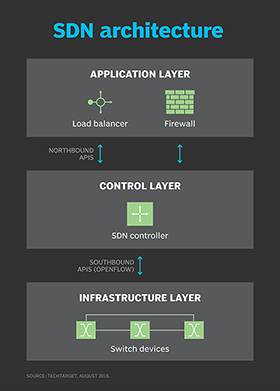
What is software-defined networking (SDN)?
Software-defined networking (SDN) is a networking approach in which software is used to easily configure and centrally manage IT networks. SDN abstracts a network’s different, distinguishable layers to make it more agile, flexible and easy to manage. Its main goal is to improve network control and empower enterprises to respond quickly to changing business requirements […]
Read More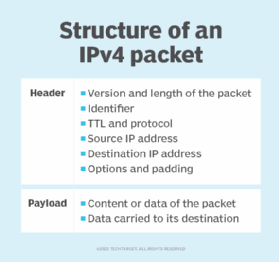
What is a network packet?
A network packet is a basic unit of data that is transferred over a computer network, typically a packet-switched network, such as the internet. Before data like files, images, videos or emails are transmitted over a network, they are first divided into packets. Upon arrival at their destination, the packets are reassembled to form the […]
Read More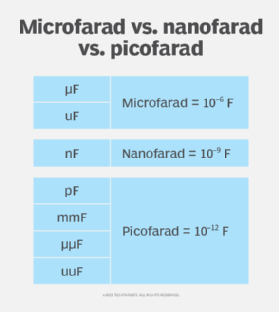
What is a farad (F)?
A farad (F) is the standard unit of electrical capacitance (C) in the International System of Units. It indicates the ability of a substance to hold an electrical charge. The value of most electrical capacitors is expressed in farads, microfarads (µF) or nanofarads (nF). The farad was named after the 18th-century English physicist Michael Faraday. […]
Read More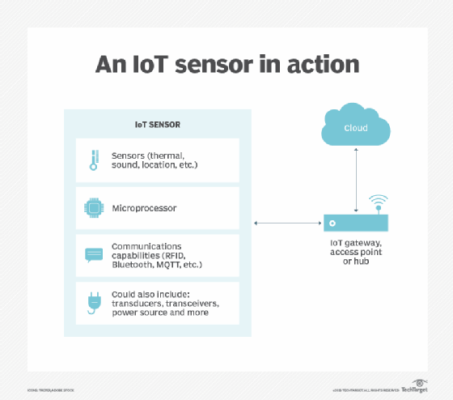
What is a smart city?
A smart city is a municipality that uses information and communication technology to increase operational efficiency, share information with the public, and improve the quality of government services and citizen welfare. While the exact definition varies, the overarching mission of a smart city is to optimize city functions, drive economic growth, and improve the quality […]
Read More

How to use IoT for marketing
From real-time customer data to memorable experiences, the internet of things can help marketers create highly relevant and engaging campaigns. Simon Kingsnorth The internet of things (IoT) is a network of devices that collect data from physical objects and transmit it to the internet. This technology, which has become increasingly prevalent in both consumer […]
Read More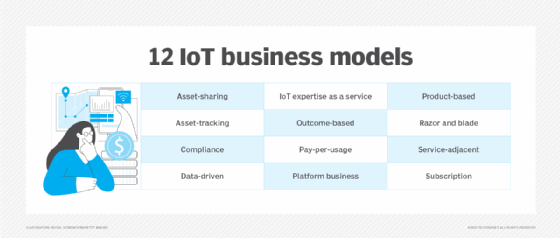
12 top IoT business models for 2025
IoT technology is an intriguing way to redefine business models in 2025. Companies are poised to navigate rapidly evolving technology and regulatory landscapes with advanced digital transformations in nearly every industry. With the explosion in AI tools, IoT is unlocking new opportunities for data-driven innovation and operational efficiency. Distributed cloud environments enable real-time processing […]
Read More
What is cryptology?
Cryptology is the mathematics, such as number theory and the application of formulas and algorithms, that underpin cryptography and cryptanalysis. Cryptanalysis concepts are highly specialized and complex, so this definition concentrates on some of the key mathematical concepts behind cryptography, as well as modern examples of its use. Basics of cryptology The terms cryptology and […]
Read More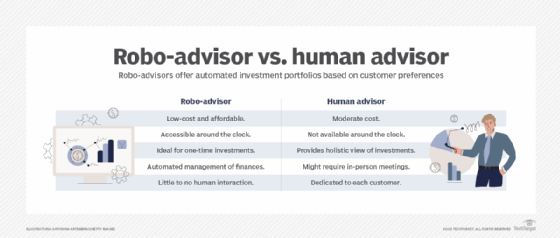
What is a robo-advisor? Everything to know before using one
A robo-advisor is a virtual financial advisor powered by artificial intelligence (AI) that employs an algorithm to deliver an automated selection of financial advisory services. Typically offered by brokerage firms, such as Charles Schwab, Fidelity Investments and E-Trade, robo-advisors are a type of expert system optimized for financial services, specifically for investing and portfolio management […]
Read More